How long is 30 Feet? 12 Things That Are Exactly 30 Feet Long
You’re measuring for a backyard project or gauging the dimensions of a room, knowing How long is 30 feet can make all the difference. We’ll define just how significant this length is by presenting 12 items or spaces that measure exactly 30 feet long. By the end, you’ll have a clearer sense of scale that can enhance your everyday decisions.
How Long Is 30 Feet?
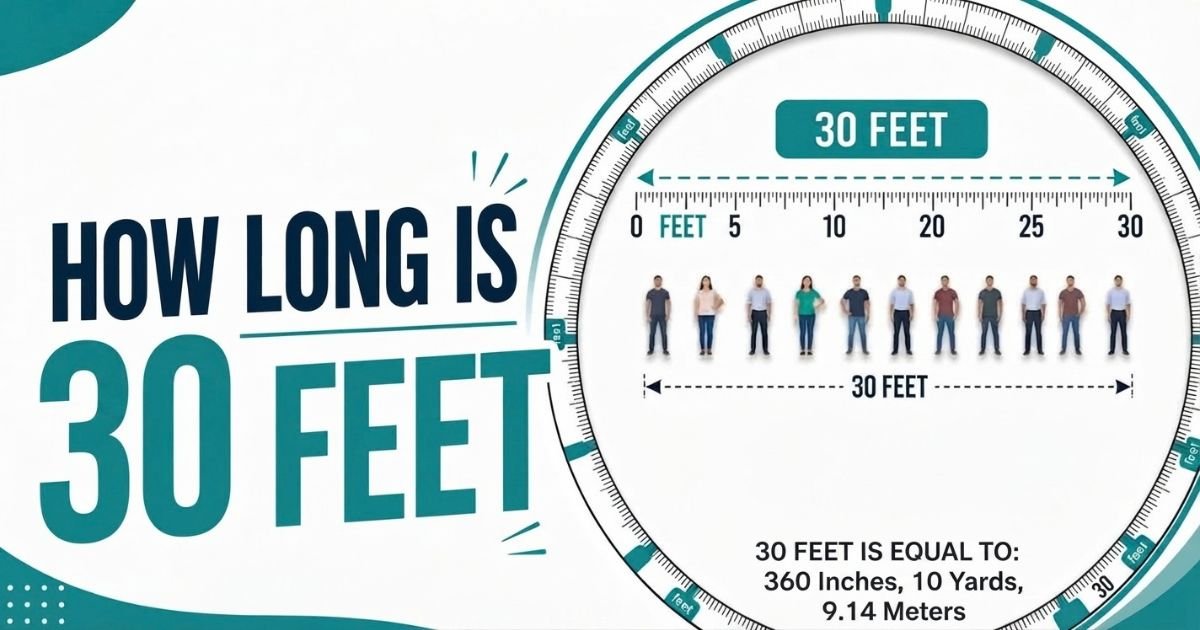
30 feet equals 360 inches, 914.4 centimeters, and 9.14 meters. In practical terms, this distance isn’t just a measurement; it’s a tangible representation of space and perception. For instance, when you think about your favorite soccer goal, it’s often about 8 feet tall and 24 feet wide.
30 feet can evoke a sense of adventure. Picture a kayak gliding smoothly on a river, where that distance might be the span between two shoreline trees, creating a mini wilderness getaway.
In construction, 30 feet often denotes the height of a single-story home, accentuating the importance of vertical space in creating living environments.
Conversion Table
| Unit | Value |
| Feet | 30 ft |
| Inches | 360 |
| Centimeters | 914.4 |
| Meters | 9.14 |
| Yards | 10 |
| Millimeters | 9,144 |
What Does 30 Feet Look Like?
Standing at the foot of a 30-foot tall wall; it towers above you like a monolith, a striking reminder of nature’s scale. Picture a grand tree reaching towards the sky, its branches unfurling like the outstretched arms of an ancient guardian.
This elevation transforms spatial awareness, allowing us to rethink everyday boundaries. Suddenly, a 30-foot drop becomes both exhilarating and daunting, perhaps the height of a small building, reshaping your perception of safety and risk.
12 Things That Are Exactly 30 Feet Long
“Below, we’ll explore 12 real-life things that are approximately 30 feet long.
Construction Scaffold Span
When utilizing a 30-foot scaffold span, it’s crucial to understand its inherent stability. Adequate bracing and secure anchoring become paramount to ensure safety, as even minor shifts can lead to significant risks.
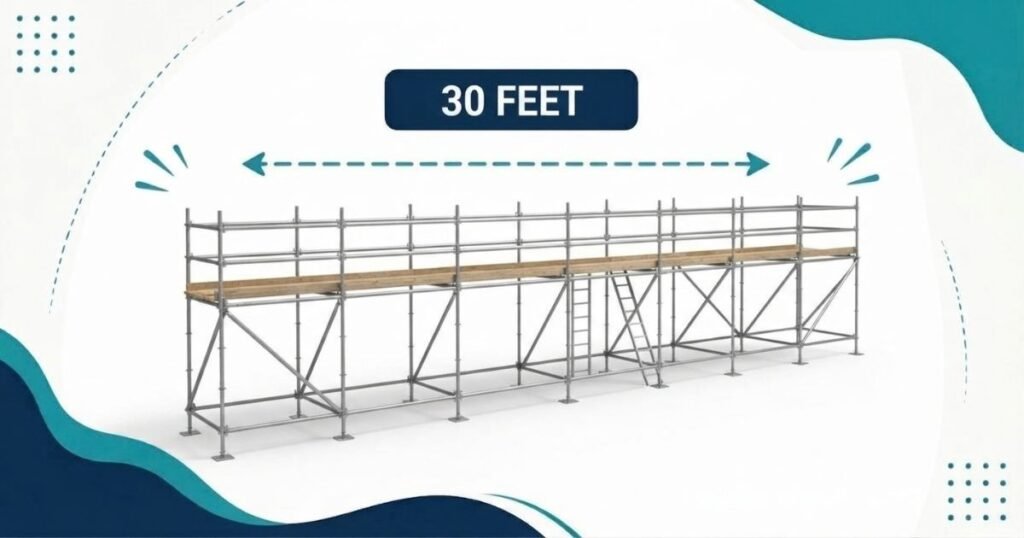
The versatility of a 30-foot span allows for efficient project management. This length often strikes a balance between reach and maneuverability, making it ideal for both residential renovations and large-scale commercial projects. Maximizing space without compromising safety ignites productivity on the job site.
Pedestrian Bridge Section
The pedestrian bridge, spanning 30 feet, serves not only as a functional passageway but also as a pivotal connector between communities. This short yet significant stretch invites both casual strolls and purposeful crossings, transforming mundane travel into an experience laden with possibility.
Its design can influence social interactions, fostering spontaneous encounters and communal gatherings. As pedestrians traverse this bridge, they become part of a vibrant ecosystem, where every step contributes to a shared narrative woven from diverse stories and perspectives.
Tennis Court Baseline to Net + Service Zone Extension
The area from the baseline to the net, often overlooked, plays a crucial role in a player’s movement and shot selection. Mastering this 30-foot span can transform a player’s game, enabling them to dart in for volleys or retreat for powerful baseline shots, effectively dictating the pace of play.
The service zone extension melds seamlessly into this dynamic, allowing players to capitalize on their serve’s placement. A well-placed serve not only disrupts opponents but also opens up opportunities for aggressive net play, where split-second decisions can make all the difference in a match’s outcome.
Utility Pole Spacing (Urban Install Segment)
When it comes to utility pole spacing, 30 feet is often considered an optimal standard. This distance not only ensures adequate clearance for surrounding structures but also minimizes the risk of electrical hazards and outages caused by swaying poles.
This spacing allows for efficient maintenance and access. Technicians can maneuver around poles easily, reducing downtime and ensuring that power delivery remains uninterrupted, even during severe weather conditions.
Small Yacht Class Length
At just 30 feet, small yachts offer the perfect balance of maneuverability and comfort, making them ideal for both novice sailors and seasoned ocean adventurers. This compact size allows for easier handling during tight harbor maneuvers, giving sailors the confidence to explore secluded coves and snug anchorages.
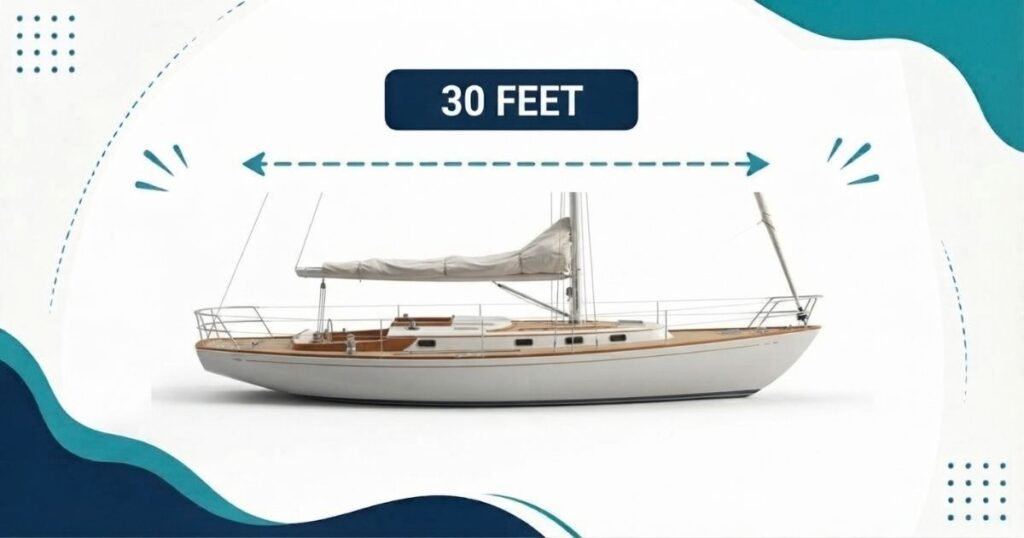
A 30-foot yacht typically comes with lower maintenance costs compared to larger vessels, making it an appealing choice for those looking to maximize their time on the water. With less complex systems to manage, sailors can focus more on the joy of sailing and less on upkeep, making every outing feel like a true escape.
NBA Basketball Court Width
The width of an NBA basketball court, set at 30 feet, plays a crucial role in shaping gameplay dynamics. This standardized measure allows players to exhibit their agility and strategy, creating space for intricate offensive plays that engage fans and challenge defenses.
Moreover, the court’s width supports a fluid transition game, where fast breaks become thrilling spectacles.Teams can exploit this space effectively, turning defensive rebounds into swift offensive opportunities, an essential aspect that distinguishes elite teams in high-pressure situations.
Bowling Lane Approach + Foul Line Area
The bowling lane approach, extending 15 feet from the foul line, acts as a critical zone for rhythm and momentum. This space allows bowlers to establish their footing and mental focus, making it essential for executing a consistent delivery.
Just after the approach lies the foul line area, a defining boundary that holds significant implications for gameplay. Crossing this line not only results in a missed shot but also disrupts the bowler’s flow, underlining the importance of discipline and precision in their technique.
Semi-Trailer Loading Dock Clearance Zone
A semi-trailer loading dock clearance zone is crucial for seamless logistics and safety. With a minimum clearance of 30 feet, this area not only accommodates larger vehicles but also facilitates efficient maneuvering, ensuring that loading and unloading processes run smoothly.
Having ample space in the clearance zone reduces the risk of accidents, allowing for better visibility and room for workers to operate safely. Moreover, this designated area improves operational efficiency, minimizing delays and optimizing the supply chain two essential factors in today’s fast-paced shipping environment.
Standard Residential Street Width (Two-Lane Section)
A standard residential street width of 30 feet strikes a balance between accessibility and livability. This width typically allows for two lanes of traffic, along with on-street parking, accommodating family vehicles while maintaining a safe zone for pedestrians.
Moreover, streets of this width encourage community interaction by slowing down traffic and fostering an environment where neighbors can engage with one another. Trees and landscaping can thrive alongside these wider corridors, enhancing the neighborhood’s aesthetic and promoting ecological benefits such as improved air quality.
Adult Blue Whale Length
The adult blue whale can reach lengths of up to 100 feet, making it the largest animal to have ever existed on Earth. This colossal size isn’t just for show; it plays a critical role in their survival as they traverse vast oceanic expanses in search of food.
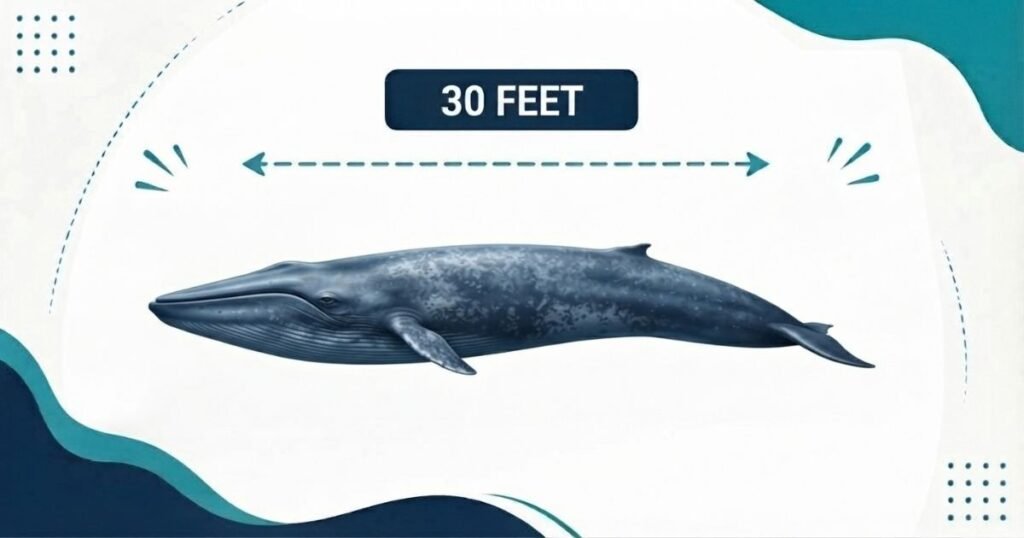
Interestingly, the blue whale’s size is closely tied to its remarkable feeding strategy. Their immense length allows them to engulf massive amounts of krill in a single gulp, enabling them to consume around 4 tons of this tiny crustacean daily during feeding seasons.
Mobile Home Transport Section
Transporting a 30-foot mobile home requires meticulous planning to ensure safety and compliance with local regulations. The weight and dimensions necessitate specialized equipment and experienced movers who understand the nuances of navigating narrow roads and potential obstacles.
An often overlooked aspect is the importance of route selection. Transporters must account for low overpasses, weight limits on bridges, and traffic patterns, which can significantly affect both time and cost. By choosing the optimal path, you not only protect the integrity of the mobile home but also enhance the efficiency of the transport process.
A Mature Whale Shark
A mature whale shark, reaching lengths of up to 30 feet, embodies a tranquil giant of the ocean. These magnificent creatures are often referred to as gentle giants, gracefully gliding through the water while feasting on plankton, showcasing nature’s unique juxtaposition of size and grace.
Their sheer size allows them to inhabit various marine ecosystems, but what often goes unnoticed is their migratory behavior. Tracking these majestic beings has revealed complex patterns that highlight the interconnectedness of ocean health and their survival, serving as indicators of larger ecological changes.
Read More: 14 Common Things That Are 20 Feet Long.
How Big Is 30 Feet?
Imagine standing beneath a 30-foot tall structure; it’s like being dwarfed in the presence of a giant. To visualize that height, consider a basketball hoop, which stands at 10 feet. If you stacked three of these hoops one atop the other, you’d reach 30 feet a staggering height that emphasizes just how commanding this measurement really is.
This is the kind of height you might find in the soaring ceilings of a spacious cultural venue or the impressive statues that populate city parks, creating a sense of awe and grandeur.
How Tall Is 30 Feet?
Thirty feet might seem like just a number, but it’s a height that can evoke a range of imagery and experiences. Picture a single-story building, which typically stands around ten feet tall.
Thus, 30 feet could encompass the height of three such stories significantly more imposing and impressive.
How Far Is 30 Feet?
Thirty feet may seem like a simple measurement, but it holds surprising significance in various contexts.Picture a school bus: typically about 35 feet long. Imagine standing at one end and trying to visualize the distance to the other; this is akin to 30 feet.
It can also be the height of a three-story building, giving you a sense of verticality that can be both awe-inspiring and intimidating.
30 Feet Comparison Table
| Comparison | Real Example |
| 30 ft vs 25 ft | Extra 5 feet equals the length of a standard sofa |
| 30 ft vs 35 ft | 35 ft adds the length of a small car hood |
| 30 ft vs 60 ft | 60 ft equals two buses lined up |
How to Measure 30 Feet Without a Tape Measure
Measuring 30 feet without a tape measure might sound tricky, but creativity is your best tool. One practical method is to use your stride. The average person’s stride length is about 2.5 feet, so taking roughly 12 steps forward can give you an approximate measurement.
Another interesting approach is to utilize everyday objects. For example, a standard car wheel has a diameter of about 2 feet. By rolling the wheel, you can get a sense of distance; to reach 30 feet, you would need to roll it around 15 times.
Conclusion
Understanding how long 30 feet truly is can put into perspective various aspects of our daily lives, as illustrated by the twelve items featured in this article. From a standard school bus to a small boat, these relatable examples help visualize this measurement in practical terms.
Knowing the length can assist in making informed decisions, whether you’re organizing a space, planning an event, or just curious about dimensions. As you move through your day, take a moment to appreciate the significance of this length and how it fits into your surroundings.
FAQs
How Big is 30 Feet Compared to a Human?
30 feet is about 10 times the height of an average adult human, who is typically around 5 to 6 feet tall.
What is an Example of 30 Feet?
30 feet is approximately the length of a school bus.
How long is a 30 Foot in Meters?
A 30-foot measurement is approximately 9.14 meters.
How long Does it take to Walk 30 Feet?
It typically takes about 5 to 10 seconds for an average adult to walk 30 feet.